

A lone worker suffering a heart attack. An active shooter in a grocery store. A train derailment caused a massive fire and chemical spill. These types of emergencies are only happening more frequently. And it’s why businesses are increasingly investing in new digital security tools. In fact, by 2030, the market is expected to top $200 billion.
However, while more smart cameras or wearable sensors might give the illusion of better protection, the benefits are routinely undermined by behind-the-scenes IT challenges. Often, the different solutions run in isolation from each other, making it challenging for corporate security and safety teams to reap the collective benefit of these investments.
Instead of unified intelligence informed by insights from all the different tools, security experts have to piece together fragments from each, adding considerable time and preventing proactive emergency detection. And ultimately, despite the work that enterprises have done to improve safety, employees will often call 911 first – likely on a device outside the security and safety team’s reach, keeping internal experts out of the loop.
This is the Safety Gap – when critical intelligence isn’t seamlessly shared between 911 centers, field responders, and internal security professionals. It puts customers, employees, and operations at greater risk and prevents organizations from driving broader business benefits, like increased brand loyalty and higher sales, from their safety investments.

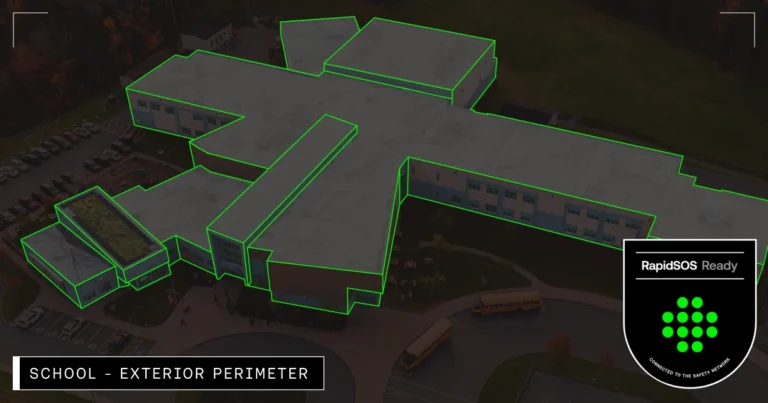
Armed with the right intelligence at the right time, corporate security and safety teams can more safely and effectively prevent incidents from escalating – or even occurring in the first place. However, this requires unifying the data streams from each digital solution and then translating those raw assets into actionable, real-time insights for internal security professionals.
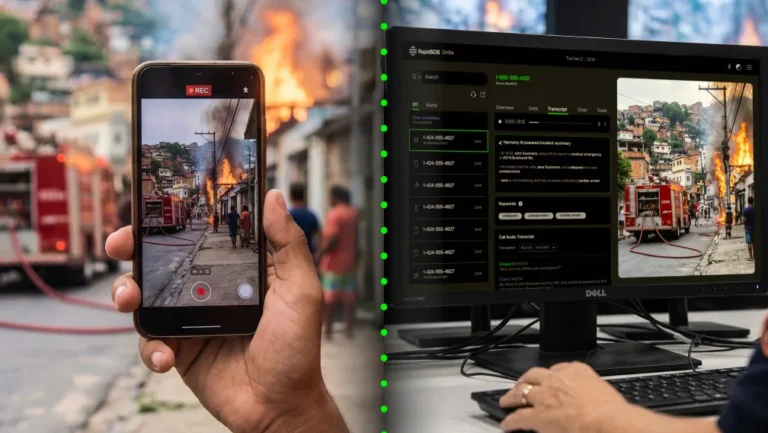
However, even if armed with this intelligence, digital barriers can still result in significant information gaps. Today, 80% of 911 calls occur on a mobile phone. Across the U.S., thousands of emergency centers can now glean important information from these devices instantly. However, because they are restricted to their digital safety ecosystem, many corporate security and safety teams don’t have access to these critical insights.
For example, an employee at a manufacturing plant starts experiencing chest pains. They immediately call 911 on their mobile phone. The operator can see tons of rich information, including their name, location, age, and medical history. Meanwhile, internal security and safety professionals don’t even know there’s a life-threatening event unfolding at one of its facilities. As first responders rush to the scene, internal security teams are only alerted when they hear the sound of approaching sirens.
This scenario happens far too often, and it undercuts the value corporate security and safety teams bring to enterprises. In the minutes that it took 911 to arrive, someone could have been giving the employee life-saving CPR. Security and safety teams could have coordinated with emergency professionals to ensure a seamless response. Security experts could have better managed the other employees on the factory floor.
By connecting to 911’s digital ecosystem, corporate security and safety teams can get the real-time alerts they need to respond to the emergency effectively. When combined with their own intelligence, these cohorts not only decrease the business’s risks but also contribute to its growth actively.
To learn more about how to close the Safety Gap, check out the full report here.