

How the Town of Cary’s 911 Center Uses AI to Automate Alarm Call Processing
Book an Alarm Call Automation Demo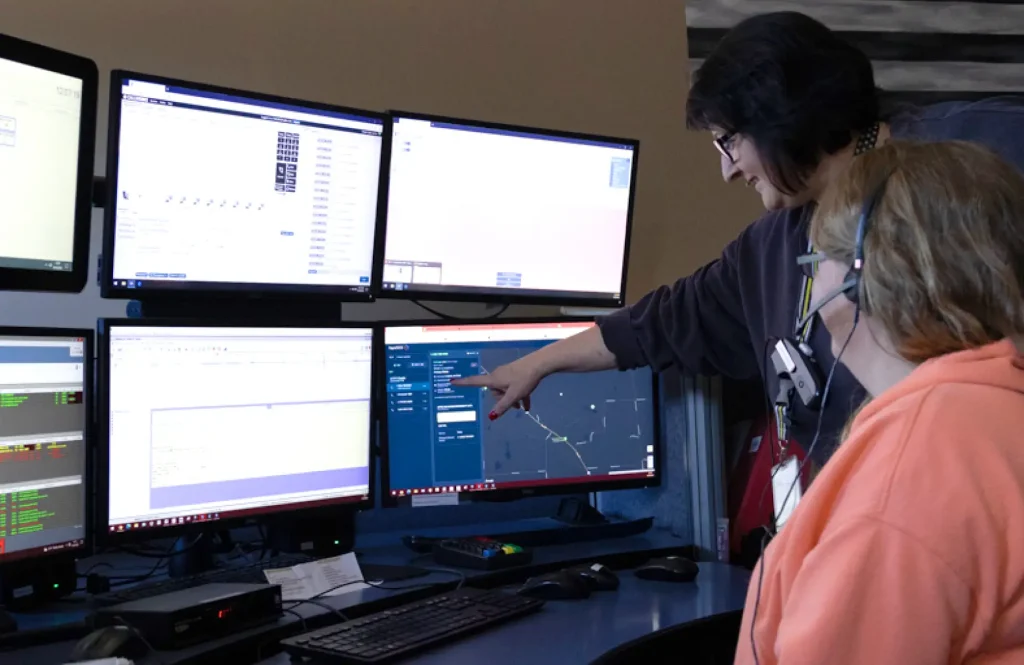
Managing Tedious False Alarms Amid Staffing Shortages
The Town of Cary’s 911 Center is dedicated to ensuring the safety and well-being of the second largest city in Wake County, North Carolina. Like many Emergency Communications Centers around the country, 911 operations in Cary involve handling alarm calls triggered by sensor-initiated alarms.
With the International Association of Chiefs of Police reporting that 98% of all U.S. alarm calls are false—Cary’s 911 center sought a solution that would reduce telecommunicator workload on alarm calls and enable faster, more efficient emergency response.
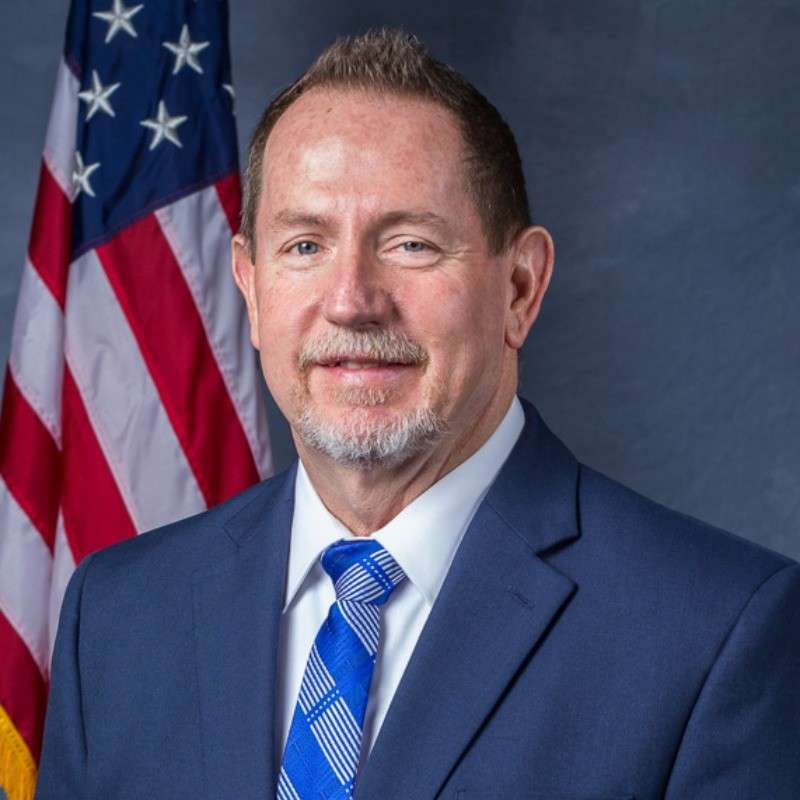
Doug Workman, the Emergency Communications Center Manager for the Town of Cary’s 911 Center, explains how his agency is testing Alarm Call Automation to offload tedious alarm calls to AI, freeing up telecommunicators’ time to focus on high-priority emergencies.
Solutions used:
What does the typical alarm call handling process look like at your agency?
Normally, the process would involve an alarm monitoring agent calling in on designated alarm line numbers. We would process the call by asking questions, but the information obtained was not consistent between staff members. This inconsistency led to extended call processing times, and we often had to prioritize incoming calls, causing delays.
How many alarm calls does your agency handle daily? How do they impact operations?
On average, we handle about 31.5 alarm calls daily.
The impact was quite significant. Call takers had to juggle priority calls, leading to delays in call processing. There was also call inaccuracy and incomplete information, especially since we do not use a police protocol. The information obtained was often inconsistent and sometimes incorrect due to human errors. This led to delayed response times because of the higher call processing times.
Why did you choose to implement Alarm Call Automation for your center?
We chose to implement this Alarm Call Automation to assist with information consistency, overcome staffing issues, and help with call processing times.

RapidSOS HARMONY answers and digitizes inbound calls from monitoring agents
How has Alarm Call Automation enhanced your workflows?
RapidSOS has increased our efficiency by significantly reducing the time required to process each alarm. This allows dispatchers to handle more calls and respond more quickly to emergencies. It has also enhanced accuracy by minimizing the risk of human error in transcribing information, ensuring details are accurately captured and conveyed to responders.
The automated systems provide standardized information, ensuring all necessary details are consistently included, aiding in better decision-making and resource allocation.
By reducing the time spent on manual call handling, dispatchers can focus more on high-priority tasks and direct resources more effectively. This has led to faster response times, as critical information is transmitted more quickly.
Contact us today to learn how you can customize RapidSOS UNITE for your agency.