
To achieve real modernization in public safety, we need to cut through the noise and clearly define what it actually looks like—moving beyond the surface-level buzz around new tools and flashy features.
Everywhere you turn, AI is on the roadmap. Every vendor claims their solution is revolutionary. And while innovation is essential, we’ve asked ourselves the tougher questions at RapidSOS:

For us—when AI is applied thoughtfully—the answer is yes. When it’s tailored to real-world use cases. When it’s focused on your systems, your workflows, and your needs, not just engineered for a marketing headline. That’s when AI becomes more than hype. It becomes a powerful tool worth your time and investment.
But here’s the truth: integrating AI into public safety organizations isn’t as simple as flipping a switch. It’s a journey. A long one. And it’s a journey we’re all on for the first time—together.
After years of developing HARMONY alongside public safety professionals—across more than a billion emergencies—I can tell you plainly: HARMONY isn’t perfect. And anyone who tells you their AI solution is perfect? They’re not being honest.
Public safety is about constantly evolving under pressure, balancing urgency with clarity, and making fast decisions with real human impact. We should treat the adoption of AI the same way: as a process of improvement, not perfection.
Let’s not deploy AI to check a box or to jump on a trend. Let’s use it to lighten the load for our telecommunicators. To eliminate noise. To increase focus. To get actionable insights into the right hands—faster.

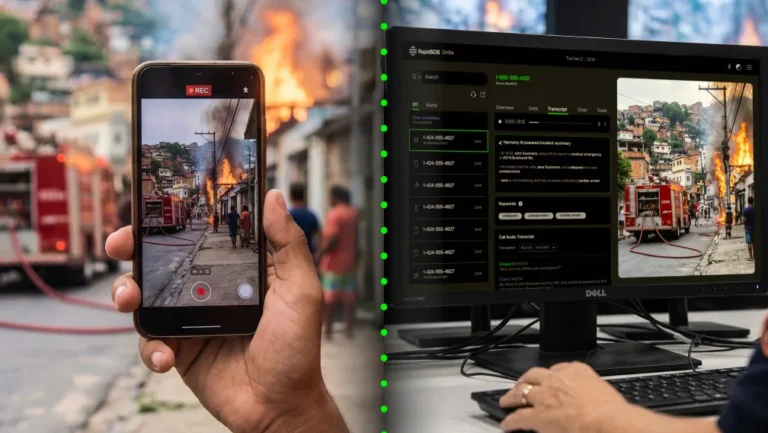
What excites me most is that we’re not doing this alone at RapidSOS. From translating real-time calls, to summarizing data for overwhelmed dispatchers, to automating non-emergency workflows, this has always been a collaborative effort. We’ve had a village shaping this technology from day one. You’ve tested it. Stress-tested it. Challenged it. And co-authored what it’s becoming.
it’s AI with public safety.
We believe modernization should never come at the cost of trust. It should be transparent. Measured. Purposeful. And built hand-in-hand with the people on the front lines.
So let’s keep asking the tough questions. Let’s keep challenging the status quo. And let’s keep building toward a smarter, more human-centric public safety system—one that meets today’s realities and is resilient enough for tomorrow’s.