

In Iredell County, North Carolina, a routine domestic call took an unexpected turn when a 911 telecommunicator used RapidSOS live video to protect both a caller and the deputies racing to the scene. Thanks to real-time visuals, a dangerous situation was de-escalated—and everyone walked away safe.
Michael Hoffman has served as a 911 dispatcher in Iredell County for several years. When RapidSOS introduced live video capabilities into the UNITE platform, he saw it as another way to give field responders what they need most: clear information in chaotic moments.
That perspective was shared by Stephen Smith, the agency’s IT and systems support specialist. Smith, who has over two decades in public safety, helped champion the rollout of RapidSOS features at the center.
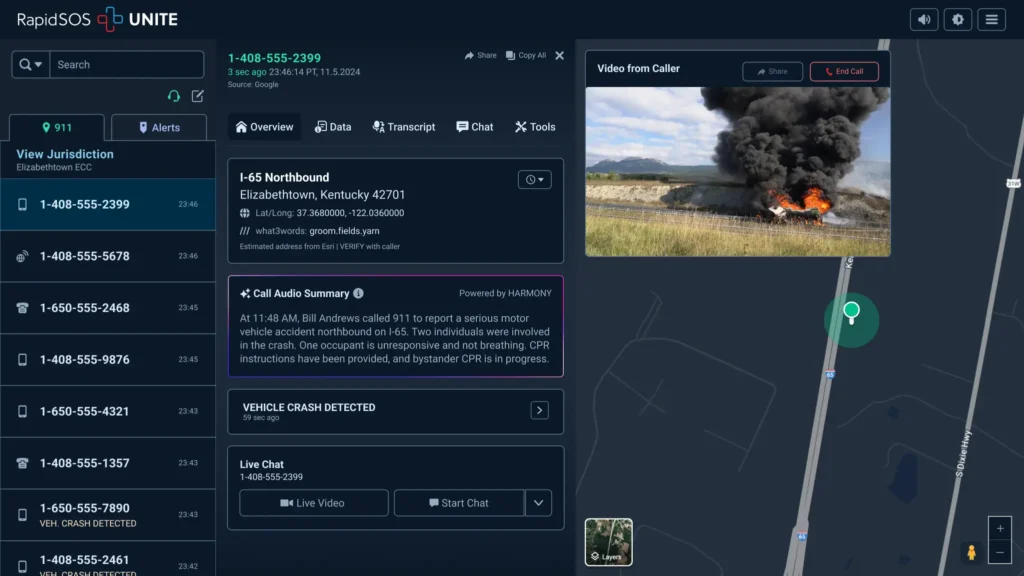
That context proved critical during a recent domestic disturbance. A man called 911, distressed by his partner’s escalating behavior. Hoffman quickly offered to send a link so the caller could share live video directly from his phone. The man agreed—and within seconds, Hoffman could see the layout of the home, both individuals involved, and the tension rising.


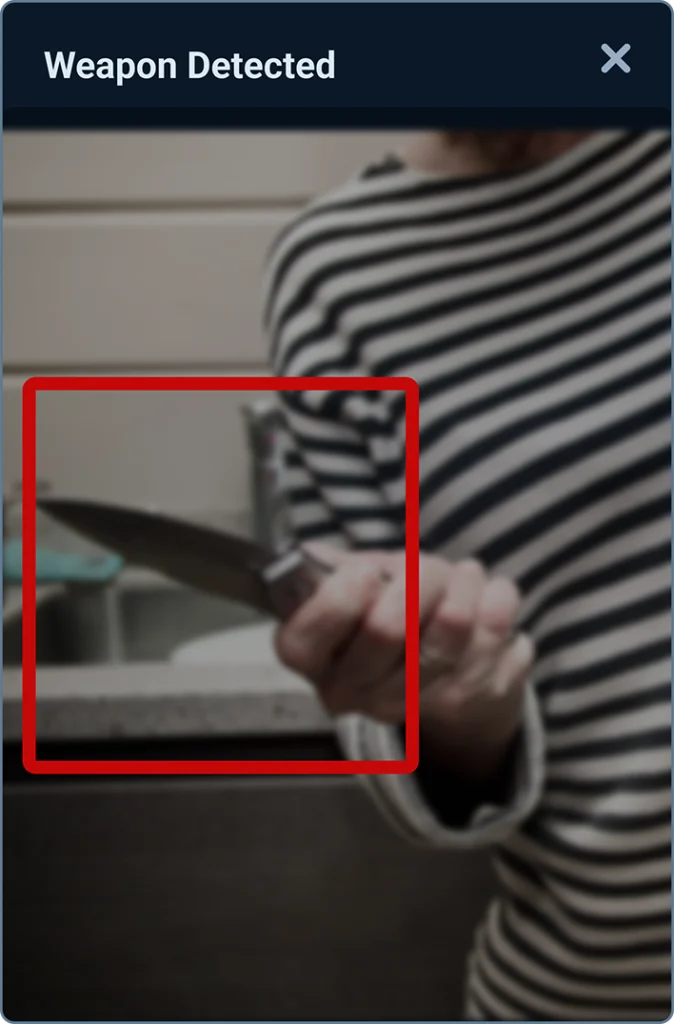
Live video allowed Hoffman to do more than just observe. He coached the caller to move toward safety: “I need you to get to a safe location, step outside, and meet deputies when they arrive.” The caller followed his instructions, placing the phone down so Hoffman could continue to watch the room without escalating the confrontation. By the time deputies arrived, Hoffman had already identified both individuals and relayed the precise risk to responding units.
“It ended well—no one was hurt, deputies knew exactly what they were walking into, and the caller was safe outside,” Hoffman said. “Without video, who knows how it might have turned out.”
Smith noted that seeing dispatchers like Hoffman put live video into practice reinforces why the center invested in the technology. “The more you use it, even on smaller calls, the more comfortable you become. That muscle memory matters when a high-risk incident hits. You don’t hesitate—you just know it’s going to help.”
Beyond its immediate value in crisis, live video also strengthens responder safety. Deputies knew a knife was involved before they even reached the house. “Seconds matter,” Smith said. “That’s time they aren’t caught off guard.”
Both Smith and Hoffman emphasized how RapidSOS tools have changed daily operations. From Text-to-911 and What3Words for water rescues to emerging integrations like Communicator and GIS, the center is embracing ways to give telecommunicators and responders better visibility.
For Hoffman, the biggest impact is the confidence to act quickly and safely. “Technology and instinct aren’t at odds—they complement each other,” he said. “When they work together, that’s when lives are saved.”