
Automated crash response when seconds matter
RapidSOS verifies crashes, dispatches emergency services, and shares critical data with 911—reducing response delays, protecting drivers, and improving fleet safety

Trusted by

Manual crash response delays emergency help
Most providers still rely on manual escalation—forcing teams to verify crashes, search for local EMS, and verbally relay information with little context. This slows response times and leaves drivers, passengers, and fleets vulnerable.
RapidSOS automates crash verification, instantly dispatches emergency services, and delivers critical data to 911—ensuring faster, more effective response.
How it works
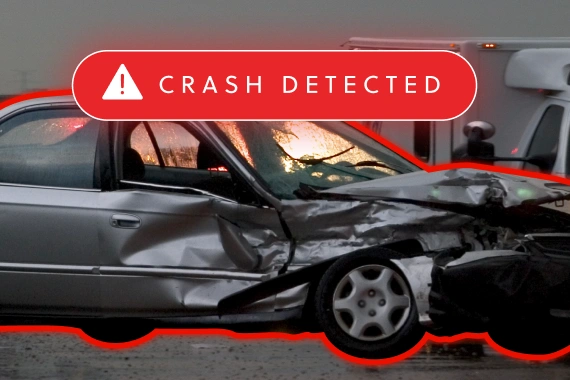
Crash is detected:
Crashes are detected through your mobile apps, telematics platforms, or connected vehicle sensors.
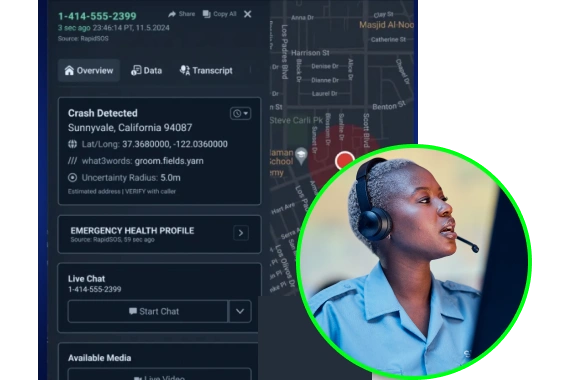
Incident is verified:
RapidSOS can enable your fleet safety agents to verify incidents or provide its own safety agents for verification.
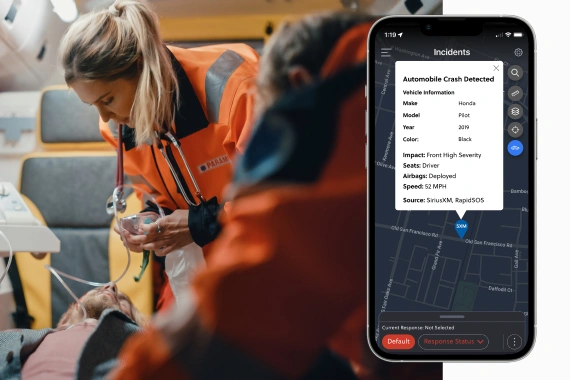
Local first responders dispatched:
Verified incidents escalate to emergency services, sharing critical data (e.g., location, severity, vehicle type) with 911.

Stakeholders notified:
Notifications can be sent to loved ones, fleet managers, or insurers to ensure coordinated post-incident responses.
Automated crash response
Value for your business and customers
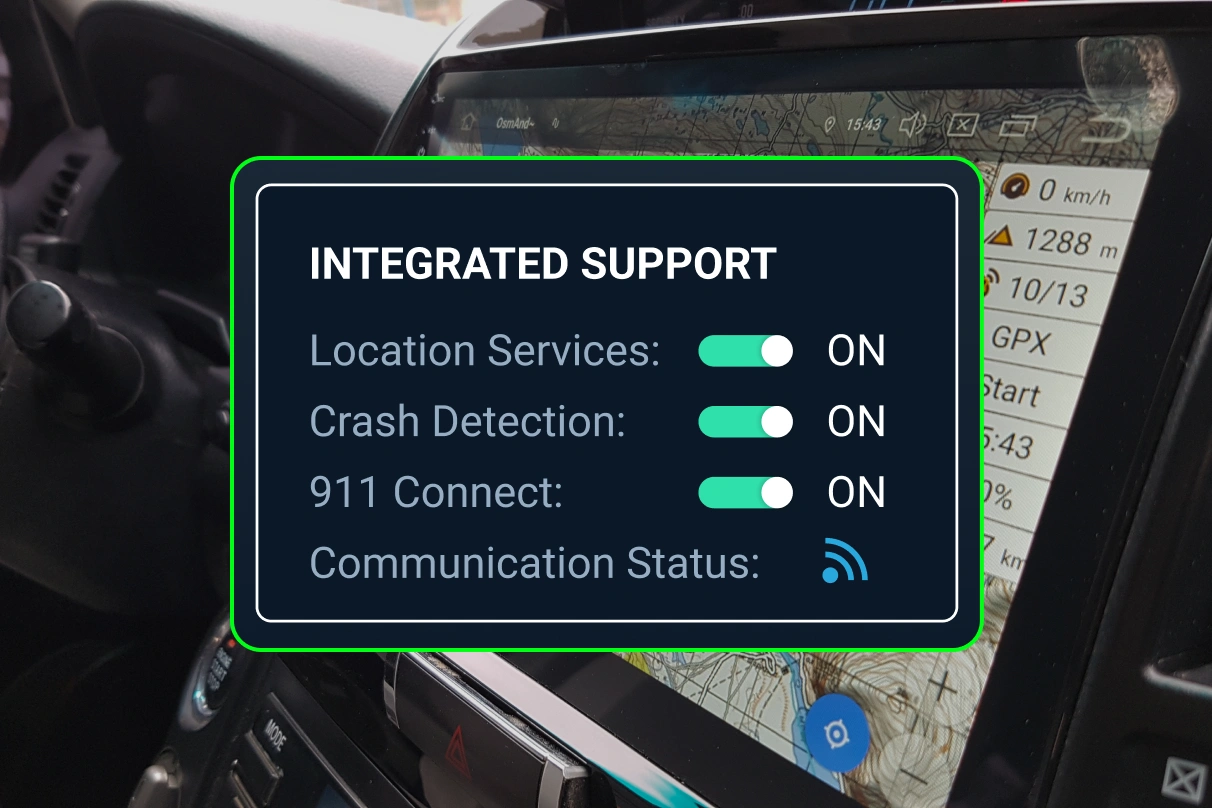
Vehicle telematics
Differentiate your platform with integrated crash response, improving fleet safety, reducing downtime, and increasing customer retention by providing faster, automated emergency response for fleets.

Insurance providers
Enhance claims processing and fraud detection with real-time, verified crash data, reducing costs while providing policyholders with faster, more accurate claims resolution and improved trust.

Automotive OEMs
Equip vehicles with advanced safety features that meet regulations and enhance brand perception, giving drivers and passengers peace of mind with immediate emergency response after a crash.

Ridesharing apps
Increase driver and rider confidence with real-time crash detection and emergency escalation, ensuring faster response times and immediate support when it matters most.

Last-mile & delivery
Protect drivers with automated crash detection workflows, reducing downtime and enhancing safety, trust, and retention for delivery fleets.

Autonomous vehicles
Boost public trust and regulatory compliance with automated crash response, ensuring safer, more reliable operations for passengers and logistics clients.
Customer story
Motive sets a new standard for fleet safety with RapidSOS
Motive saw an opportunity to enhance their telematics platform by integrating automated crash response. By partnering with RapidSOS, they eliminated manual emergency escalation delays, ensuring drivers get life-saving help faster when every second counts.
Motive’s decision to integrate instant crash verification and emergency dispatch has strengthened fleet safety, improved emergency response coordination, and set a new standard for driver protection.

First Responder (Powered by RapidSOS) transforms the way we support drivers in a collision and will save lives. By reducing the time it takes for 911 to verify incidents and dispatch help, we are taking a critical step toward achieving zero harm and zero preventable accidents, keeping everyone on the road safer.”

Shoaib Makani

Customer story
How SiriusXM Connect and RapidSOS empower 911 for faster emergency response
911 centers across the country emphasize the game-changing impact of receiving real-time crash data directly from vehicles—eliminating reliance on delayed, third-party reports and allowing emergency responders to act immediately.
With SiriusXM & RapidSOS, first responders receive crash details instantly, ensuring faster, more informed emergency response when every second matters.
FAQs about using RapidSOS for crash response
How does RapidSOS integrate with existing telematics platforms?
RapidSOS uses secure APIs and data integrations to connect seamlessly with telematics platforms, enabling crash detection, automated incident reporting, and emergency data-sharing workflows. The integration allows for vehicle diagnostics, GPS tracking, speed, airbag deployment, seatbelt usage, and impact severity to be transmitted to emergency responders.
Additionally, RapidSOS can work with OEM telematics systems and fleet management solutions ensuring compatibility with various vehicle makes and models. The platform also supports customizable data-sharing settings, enabling organizations to control which data is relayed to 911, fleet managers, insurers, or roadside assistance providers.
What data is shared with 911 during a crash?
Critical information such as GPS location, severity of the crash, vehicle details (e.g., type, make, model, year, color, license plate number, VIN), time of impact, speed at the time of collision, airbag deployment status, seatbelt usage, number of occupants detected, vehicle rollover detection, direction of travel, fuel type (electric, gas, hybrid, etc.), and hazard warnings (e.g., fire risk, fuel leaks, or battery hazards in electric vehicles).
Additionally, driver and passenger medical information (if available), and sensor data from the vehicle may also be shared depending on the system in place.
Who verifies the incidents?
RapidSOS enables either your fleet safety agents, our emergency response team, or integrated third-party monitoring services to verify incidents before escalation. Verification can be done through crash detection and/or direct communication with the driver or passengers.
Additionally, some systems allow for video verification via dashcams or in-cabin monitoring, ensuring that false alarms are minimized and true emergencies receive immediate attention.
How does RapidSOS ensure data security and privacy?
Data in RapidSOS servers is encrypted at rest and in transit. RapidSOS exclusively sends data over HTTPS transport layer security (TLS) encrypted connections for additional security as data transits to and from the application.
Can RapidSOS help with non-crash emergencies, such as medical incidents or roadside assistance?
Yes, RapidSOS can relay vehicle location and driver distress signals for medical emergencies and roadside assistance.
Can emergency responders receive additional driver health data (e.g., medical conditions, allergies)?
Yes, if available and permitted by the user, relevant health data can be shared with 911 for better-informed emergency response.
Can notifications be sent to stakeholders or loved ones?
Yes, RapidSOS supports notifications to stakeholders, including family members, fleet managers, insurers, emergency contacts, and roadside assistance providers. These notifications can be sent via SMS, email, or app alerts, providing real-time updates on the crash incident, vehicle location, severity of the impact, and response status. These alerts ensure timely coordination for EMS, Towing, or insurance claims.
of the US population is covered by RapidSOS
first responder agencies use RapidSOS
enterprise partners connect to 911 with RapidSOS
Book a demo today
See how you can enhance drive safety and improve response times
What to Expect:
- Initial Contact: A RapidSOS expert will reach out to schedule a demo.
- Understanding Challenges: During the call, they will learn about your team’s current challenges with emergency response coordination.
- Tailored Demo: Based on your challenges, they will tailor a demo for you and other key stakeholders to vet RapidSOS as the solution.