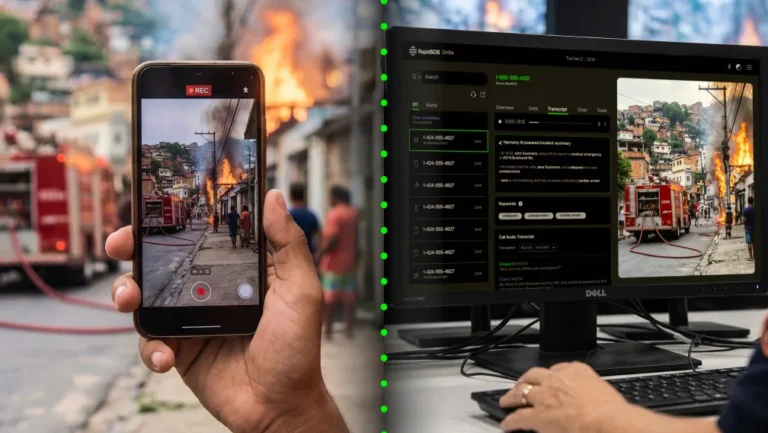

For years, the promise of Next Generation 911 (NG911) has included multimedia-rich communications, and now, video-to-911 is finally making that vision a reality.
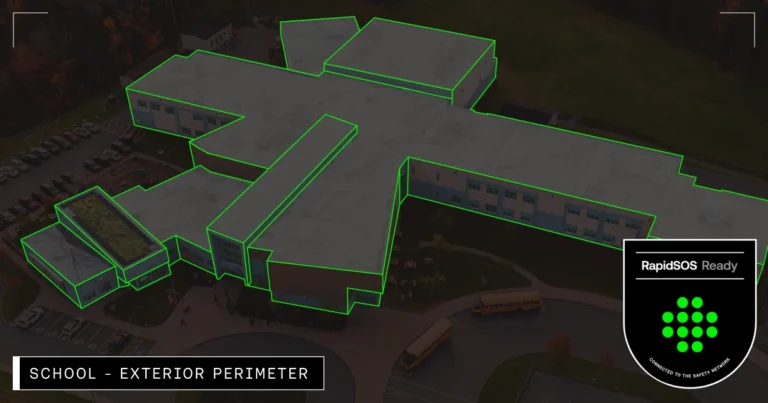
With the release of Emergency SOS Live Video through iOS 18 and the option to access real-time security camera footage, video now provides telecommunicators numerous ways to access a clearer view of incidents beyond verbal descriptions.
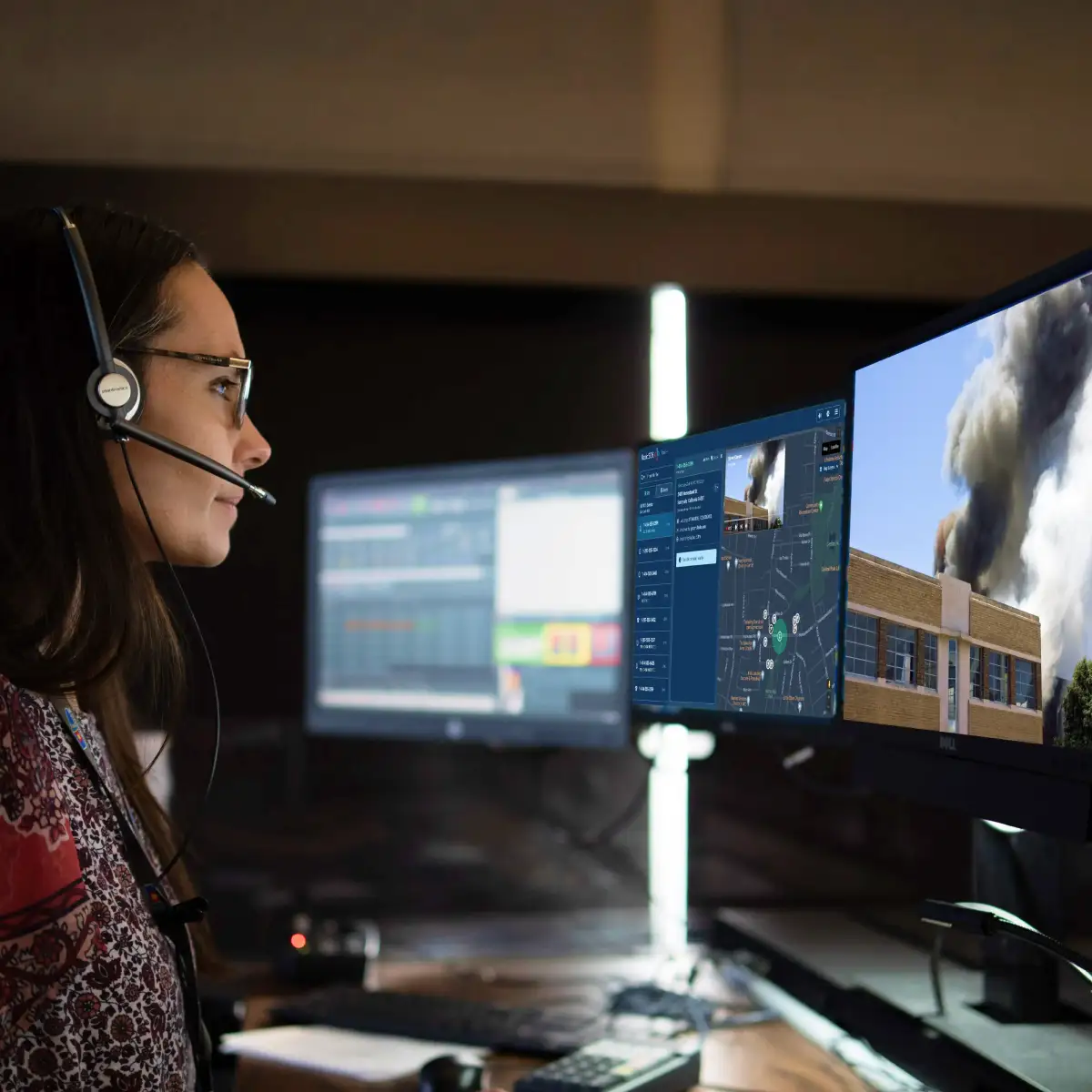
This advancement is reshaping how dispatchers handle calls in 2024, especially those that lack clarity or precise descriptions. Video-to-911 isn’t just meeting the evolving needs of the public; it’s fundamentally changing the game on how first responders approach critical situations.
Here are five ways dispatchers are accessing video during emergencies to improve response:
1. Identify persons of interest:
Instead of relying solely on verbal descriptions, video from security cameras and mobile devices allows dispatchers to instantly identify persons of interest.
For example, when someone reports a suspicious person, a live video feed provides accurate details about the individual’s appearance, clothing, and behavior, helping first responders make informed decisions.
2. Dispatch appropriate units:
Visual verification plays a crucial role in dispatching the appropriate emergency units. For example, a video of a reported fire can help dispatchers determine if it’s a contained incident, like a dumpster fire, allowing fire command to minimize response efforts and reduce unnecessary apparatus deployment, lowering risks.
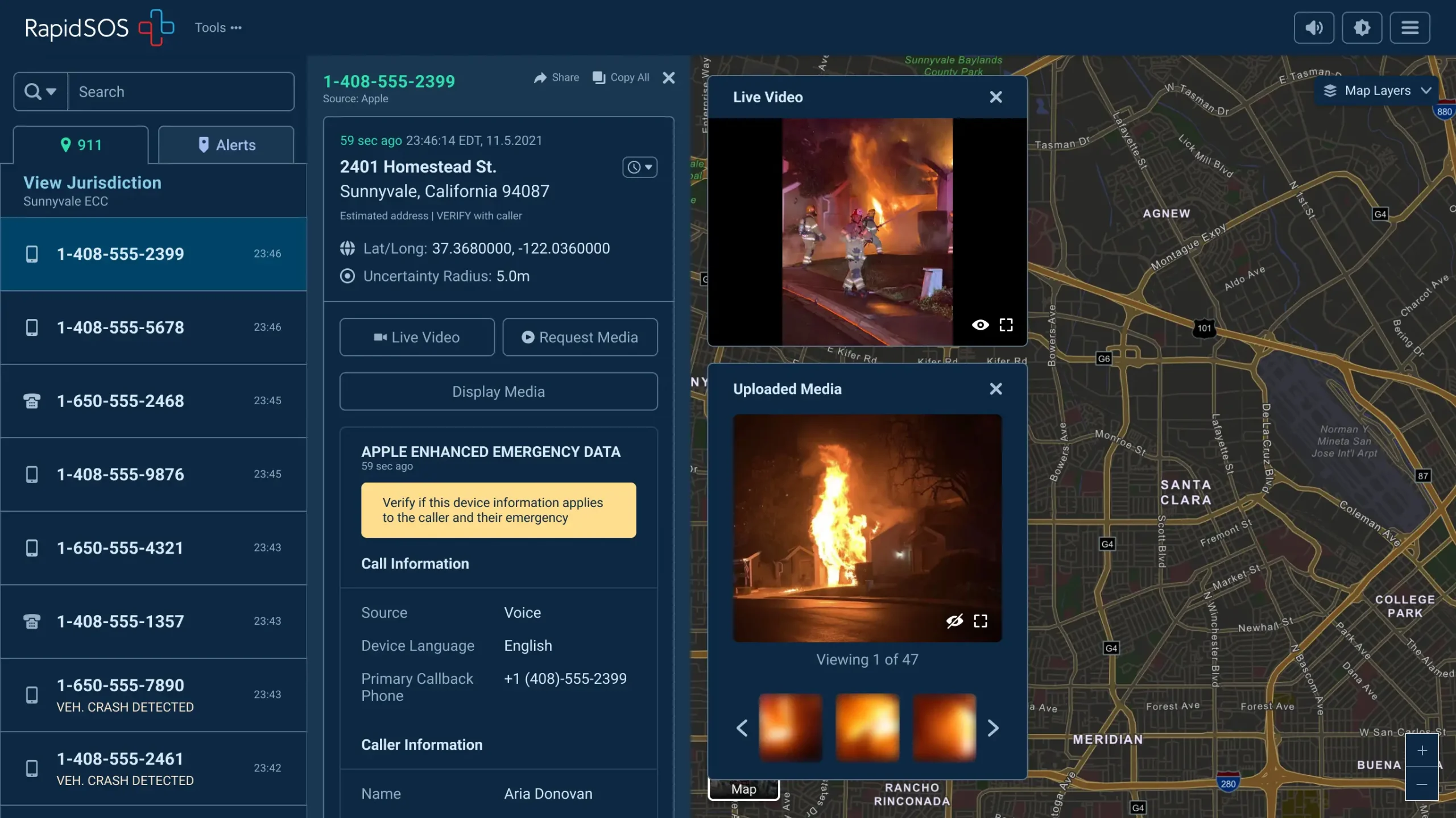
Conversely, seeing a fully involved structure fire in real-time allows dispatchers to notify fire command and mobilize additional personnel before the first units arrive on the scene. This enables faster, more efficient responses, ultimately improving the safety of lives and property.
3. Reunite found children and missing persons:
Callers often struggle to describe the appearance or age of a found child or elderly person. Video instantly provides dispatchers with accurate visuals, giving them precise information to share with responding officers, improving the chances of reuniting families quickly.
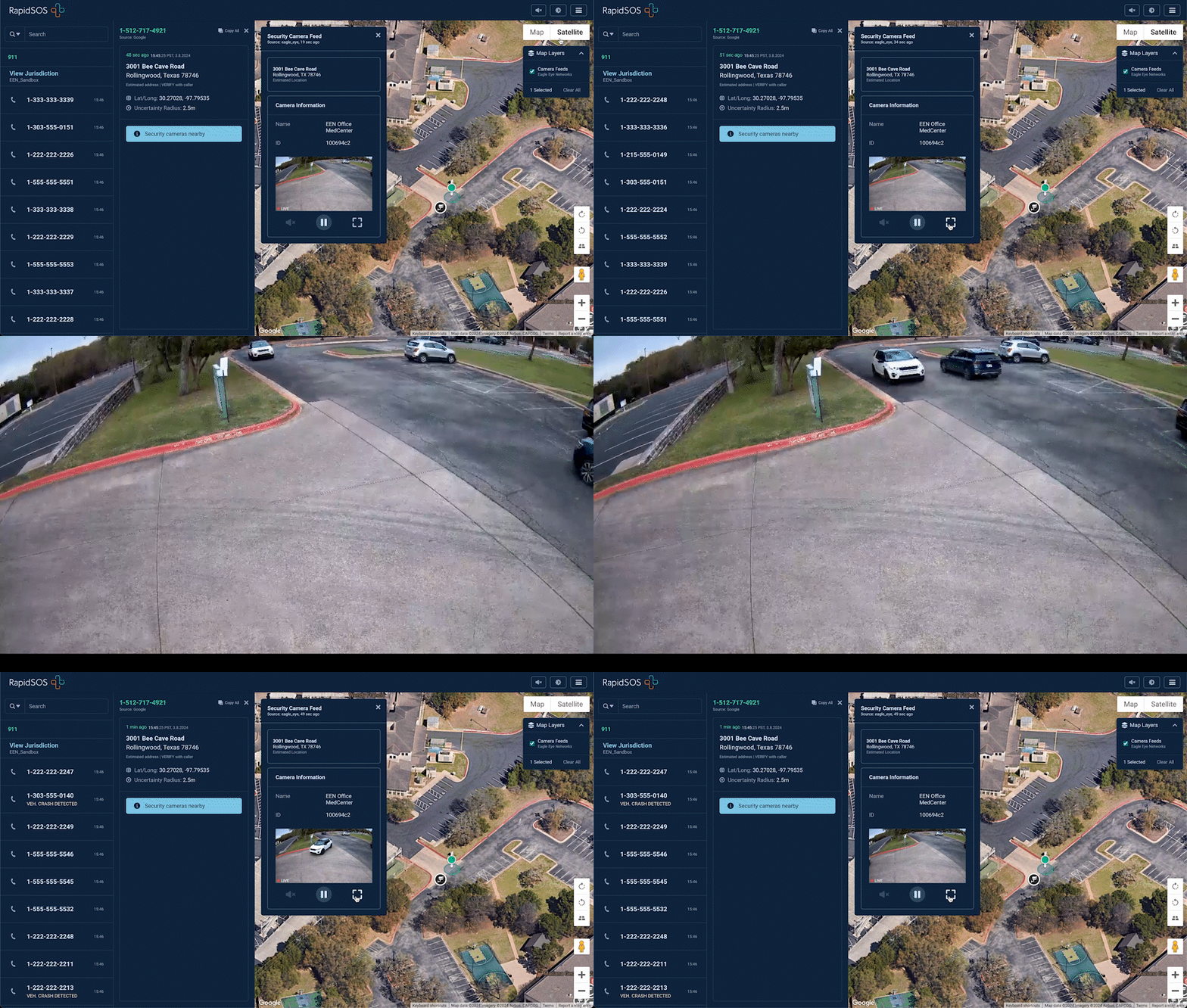
4. Pinpoint vehicles of interest:
Vehicle descriptions are often vital, but they can be frequently miscommunicated. With video-to-911, telecommunicators receive clear visuals of the make, model, color, and specific details that make a vehicle suspicious, leading to a more accurate response.
5. Assist injured, remote hikers:
Describing a location in a dense forest or remote area can be challenging, but video eliminates confusion. An injured hiker’s surroundings, along with real-time climate conditions, and status of the injury can be shared with emergency responders.
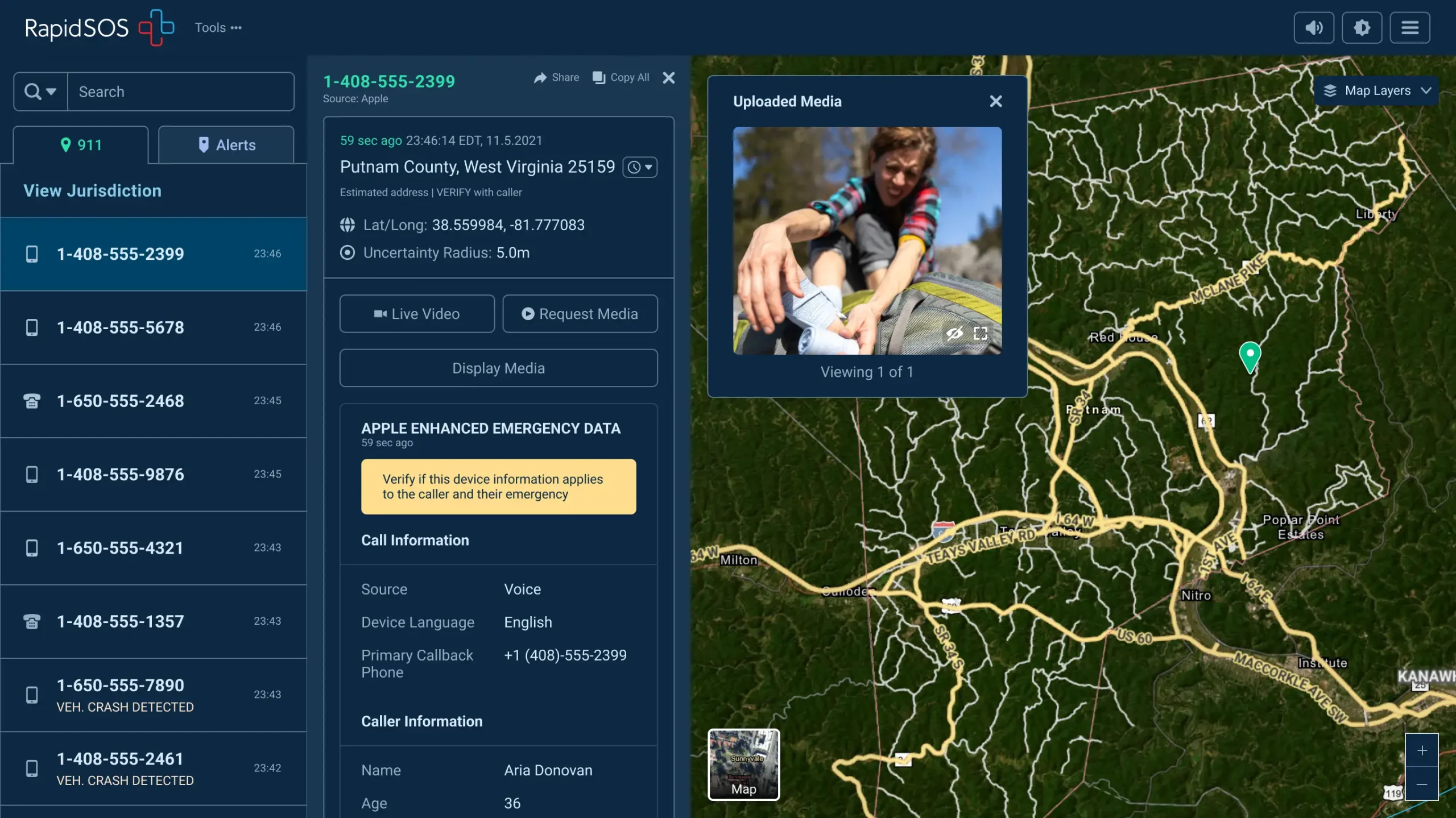
This is crucial, as the weather or visibility at the scene may differ from the conditions at the emergency call center. By providing visual context of the hiker’s injury status and environment, responders can locate the individual more quickly and arrive better prepared.
How Video-to-911 Helps Telecommunicators
While integrating video-to-911 is no small feat for Public Safety, this new innovation offers telecommunicators numerous benefits that help enhance situational awareness. Just a few examples include:
- Verifying critical details in real-time, improving the accuracy of information dispatchers relay to responders.
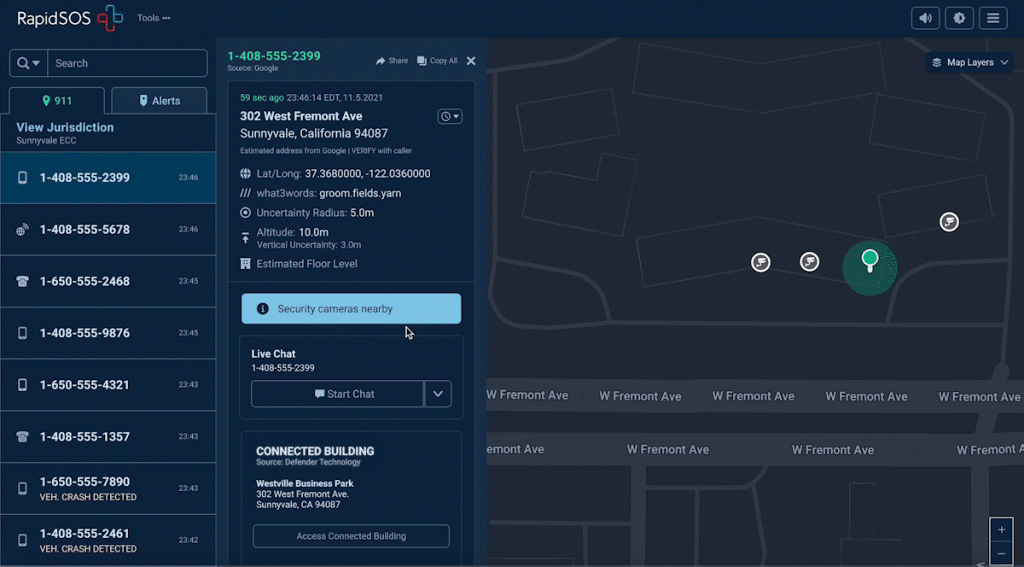
- Providing precise location data that can save valuable minutes in urgent situations.
- Improving incident awareness for responders through instant access to on-scene visuals, enabling field responders to arrive better prepared.
Whether it’s responding to a high-stakes emergency like an active shooter or handling a medical crisis, having live video footage makes a significant difference.
How to Access Video-to-911
Interested in learning more video-to-911 within RapidSOS UNITE? Request a demo to learn how your agency can access Apple Emergency SOS Live Video from iOS 18 devices and real-time security camera footage during emergencies.
By leveraging video technology, you can enhance response times, improve situational awareness, and meet the evolving expectations of the communities you serve. Video-to-911 is more than just a technological upgrade—it’s the future of emergency response.