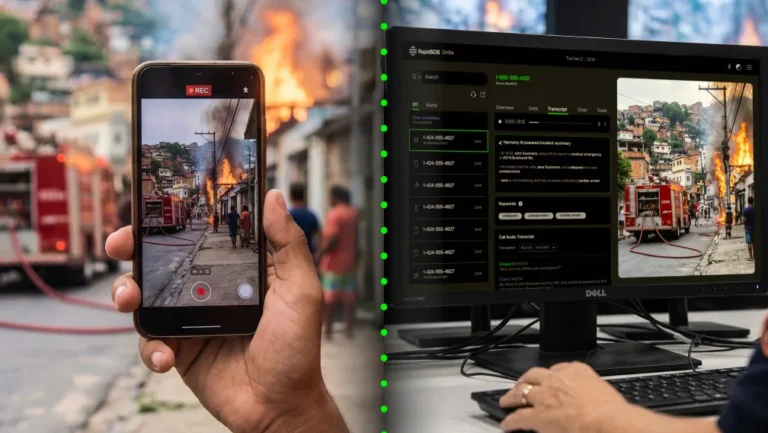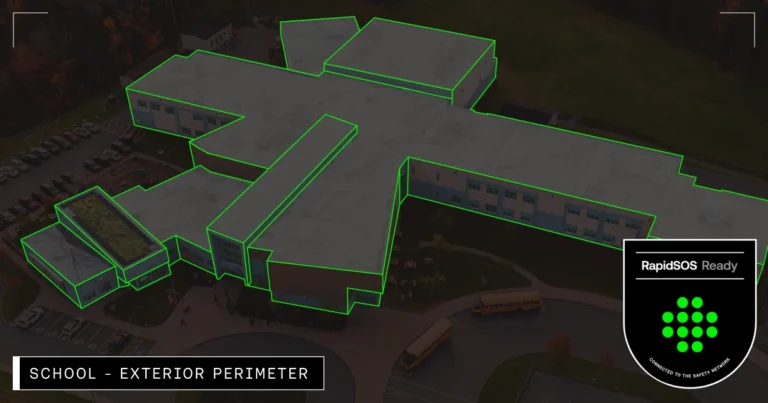


What happens when a major disaster knocks out the power grid? For millions of people, it means a race to find information. We saw this firsthand during a 2024 outage during Hurricane Beryl in Houston, where citizens had to use a fast-food restaurant’s app as an unofficial power outage map. Creative, yes, but this stark reality shows how a critical information gap can leave an entire community—and the emergency teams trying to help it—in the dark.
For 911 centers and first responders, imagine trying to direct emergency resources to a nursing home or respond to a mass transit system that’s suddenly gone dark, all while relying on the same jammed phone lines as everyone else. When every second counts, a lack of data isn’t just a challenge—it’s a fundamental breakdown in situational awareness that makes it nearly impossible to make fast, life-saving decisions. Our mission is to close that gap.
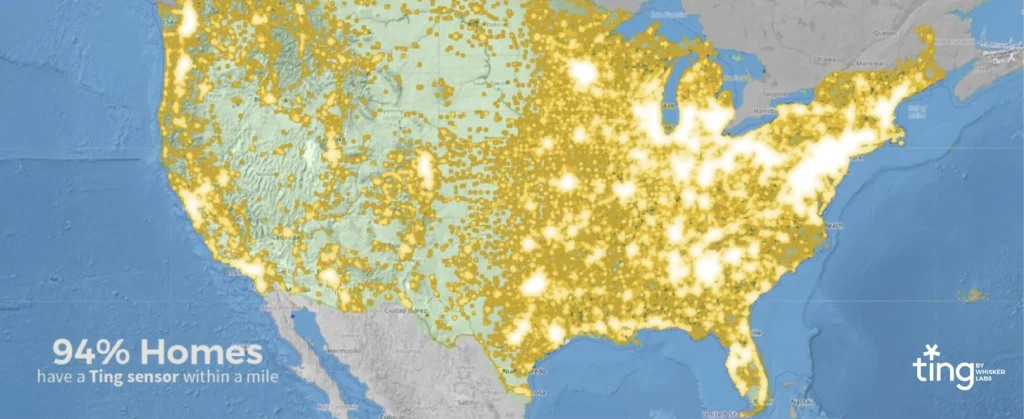
At RapidSOS, our mission is to empower 911 with real-time, actionable data. We know that in a crisis, every second counts. That’s why we’re proud to announce a new solution that directly addresses this problem through integration of Ting Insights power outage intelligence from Whisker Labs. By integrating real-time outage data from this nationwide network of over one million Ting sensors in homes across the US into the RapidSOS UNITE platform, we’re giving 911 centers and emergency management a clear, real-time view of power outages.
This isn’t just another mapping data layer; it’s a strategic collaboration designed to turn complex information into life-saving insights. Here’s how it works:
- Whisker Labs contributes real-time visibility into the electric grid through its nationwide network of over one million Ting sensors. Ting draws on decades of electromagnetic and atmospheric sensor expertise to detect electrical faults and fire hazards in homes. While a single Ting sensor helps protect a home, the collective network of sensors monitors the grid to deliver Ting Insights, the most comprehensive source for grid reliability, safety, and resilience intelligence. Powered by this network, Ting Insights analyzes trillions of measurements every second to not only detect outages, but also identify dangerous grid faults across the country. The power outage insights delivered give the ECC community and everyone they interact with the situational awareness that can save lives through faster, more informed decisions.
- Bent Ear Solutions then takes that raw data and transforms it into actionable intelligence. Through advanced data integration and geospatial context, they convert complex data points into clear, intuitive insights. This is the crucial step that turns a simple outage signal into a detailed, contextual map for emergency teams.
- RapidSOS UNITE then unifies this data stream, delivering a comprehensive, location-specific view to 911 centers and first responders. During a natural disaster, a dispatcher can see precise location and health data from connected devices, a real-time map of electrical grid problems, and context-rich insights—all from a single screen.

- For ECCs (911 Centers): Instead of reacting to a surge of calls, dispatchers can be proactive. When a major outage strikes, the RapidSOS UNTE will now display a real-time map of the affected area, allowing dispatchers to immediately identify critical locations like hospitals, schools, and care facilities that are now in the dark.
- For Emergency Managers: During major events like hurricanes or ice storms, this solution provides a real-time, visual map of the power grid’s status – critical for strategic planning and resource deployment. In cases like these RapidSOS, powered by data from Ting devices, could provide emergency managers with a complete, real-time map of the entire power network, allowing them to prioritize resources like generators and food aid for the most vulnerable communities.
- For First Responders in the Field: A first responder can navigate a power outage zone with a clear understanding of the electrical hazards present. The combined platform delivers these insights directly to their devices, tablets, and radios.
Disasters are growing more frequent and more complex. The tools we use to protect lives must evolve to meet that challenge. By closing the critical communication gap that leaves 911 in the dark, we’re making our communities safer and more resilient.
Because when disaster strikes, clarity saves lives.