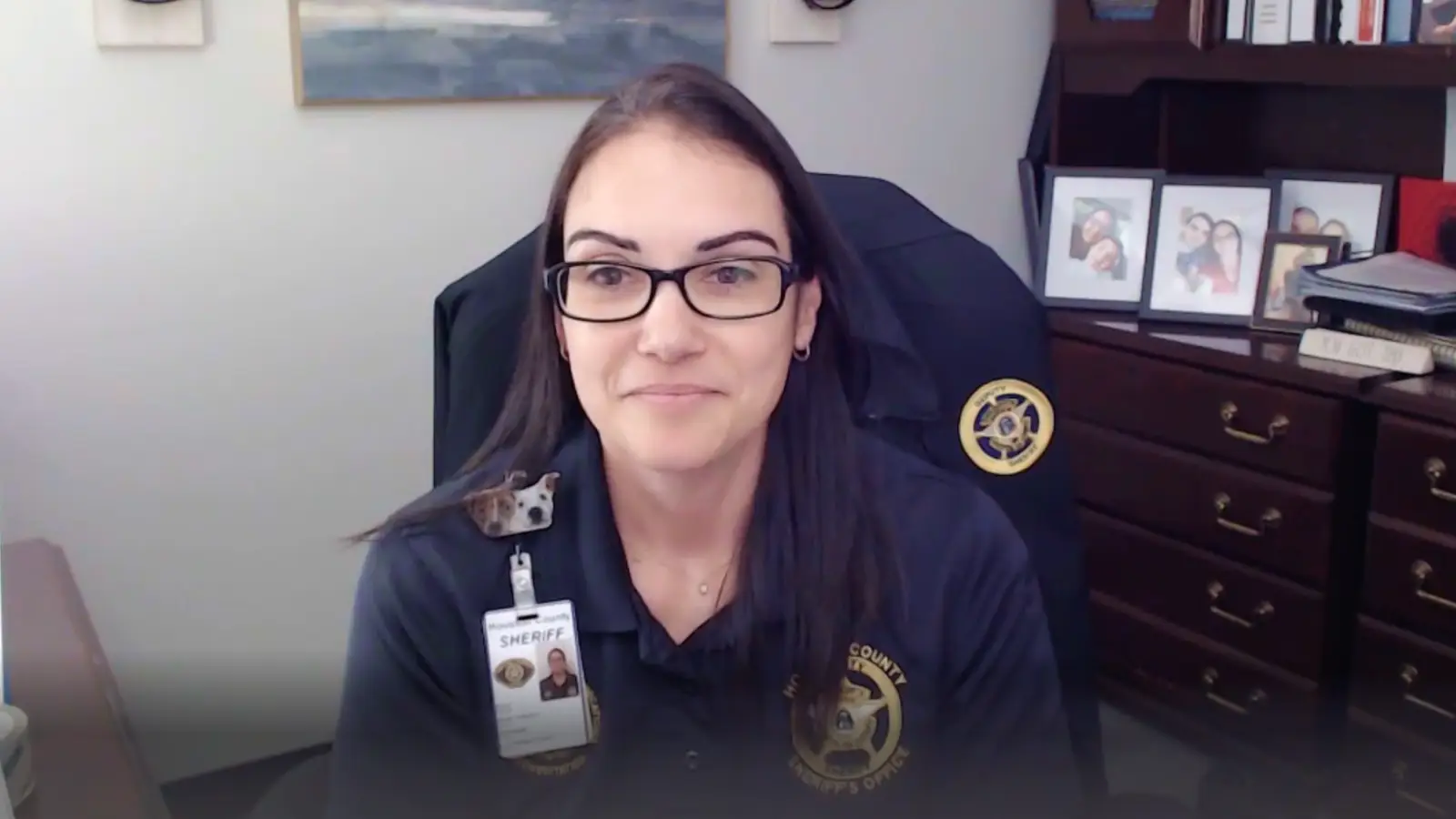

At Houston County 911, their mission has always been simple: to help people. For over two decades, Veronica Edens, Assistant Director, has answered the call, guided by a core belief in making a difference. But the way Veronica and her team helps has evolved dramatically.
Throughout her tenure, she has witnessed a significant evolution in technology at the 911 center. She recalls the old days of outdated systems, paper maps, and pen-and-paper notes. Now, everything is technology-based, with real-time locations and data at their fingertips. Veronica is especially grateful for RapidSOS, which she credits with changing the game for 911 centers. Recently, she learned about another free feature that was a game changer for her citizens and her workflow: Roadside Assistance.
Before the Roadside Assistance feature, Veronica’s team faced a difficult and frustrating situation. Veronica recalls, “The frustrating part back then was that we had deputies unlocking vehicles when they really needed to be on higher priority calls.” People would call in with non-emergency issues like keys locked in a car or a flat tire, and these calls would tie up valuable resources.
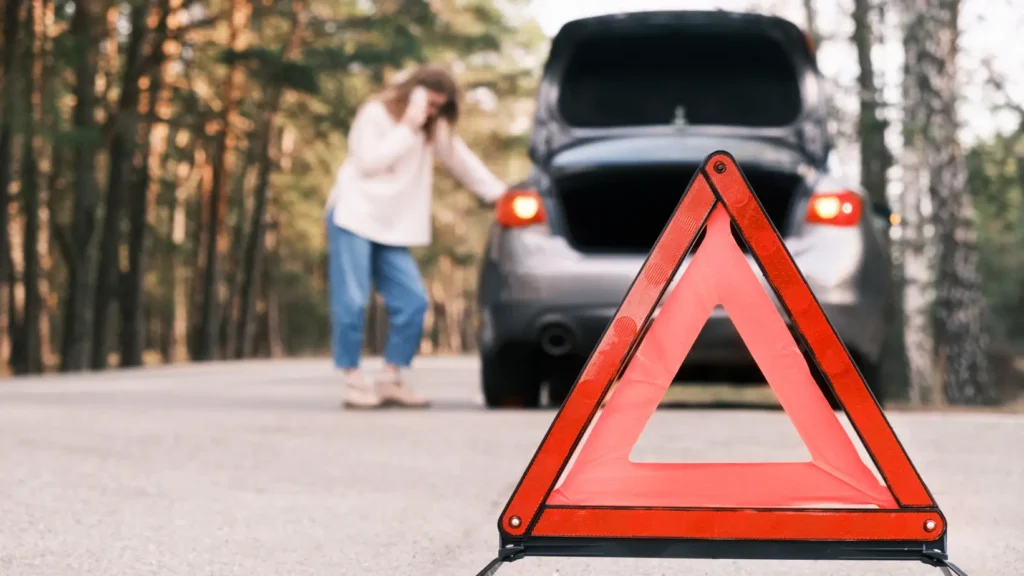
When the pandemic hit, the 911 center had to stop this practice. This left them in a tough spot. When a citizen called with a non-emergency roadside issue, they couldn’t help them. As Veronica explained, “We couldn’t recommend a specific company, so we’d tell them they had to choose and call themselves.” Imagine how frustrating that is for someone who is already stressed and stranded on the side of the road.
At RapidSOS, we believe the future of 911 must be real-timeThen, they discovered the Roadside Assistance feature, which is powered by Drivers Premier and available through RapidSOS UNITE. It was incredibly simple to implement. With a few quick, easy-to-follow training sessions, they were ready to go. Now, when a citizen calls about a non-emergency issue, dispatchers simply press a button, and the caller receives a secure text link. That link allows them to order roadside assistance on their own.
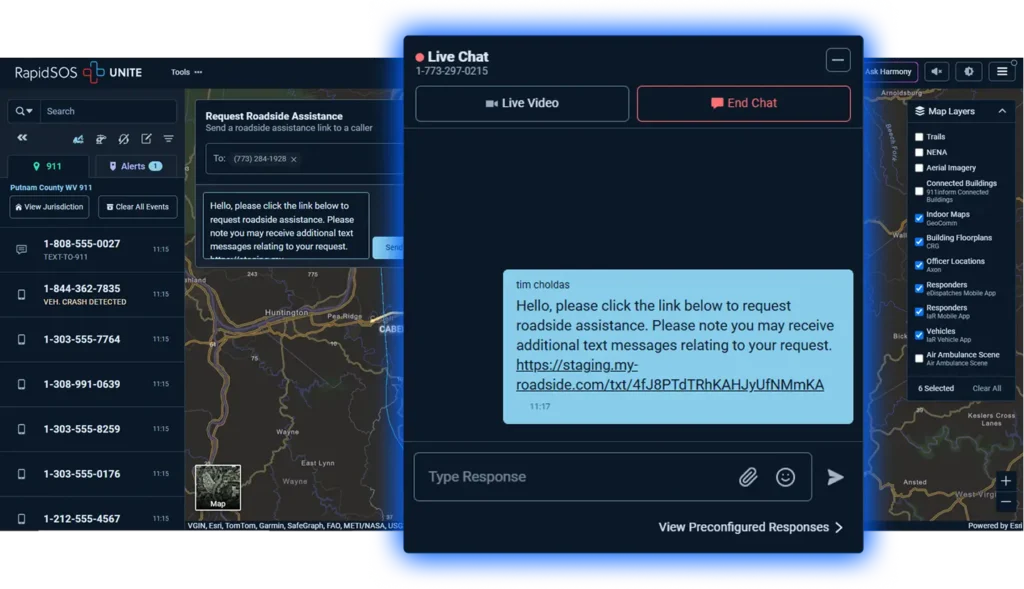
This new process addresses common concerns that 911 centers often have, especially around lockouts and liability. Ultimately, the responsibility for verifying vehicle ownership lies with the roadside provider, not the 911 dispatcher. This means the dispatcher is simply the connection, and the citizen is in control. Veronica explains, ” Instead of saying ‘I can’t help you,’ it does the work for you.”
This service has been a win-win for everyone involved:
- For citizens: They get immediate access to the help they need without having to search for a company while they’re upset. The service is transparent, with pricing disclosed upfront. The citizen can track their provider just like with a rideshare app, so they’re never left in the dark.
- For dispatchers: The workflow is faster and easier. Instead of spending time on the phone reading a list of companies or trying to calm down an angry citizen, they can now provide immediate help with just a button press. It reduces their workload and allows them to focus on higher-priority emergency calls.
- For deputies: They are no longer tied up with non-emergency situations. Their time is freed up to respond to the calls that truly require their expertise.
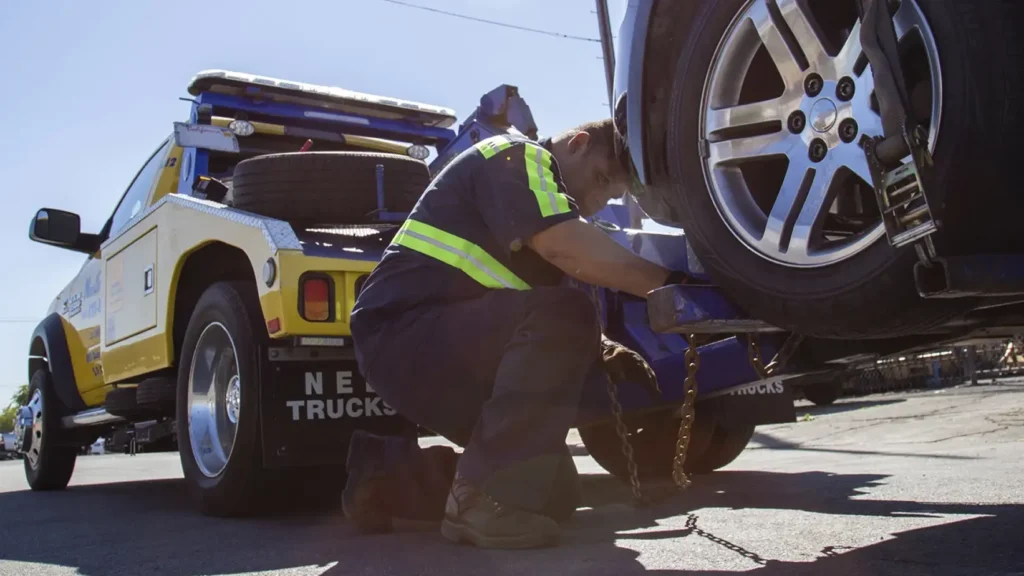
Veronica from Houston County described the implementation as so seamless that the change was easy, with minimal extra work.The new feature is a perfect example of how technology can benefit both the community and the dispatchers who serve them, proving that a little change can lead to a significant positive impact.