
For any large campus—whether it’s a sprawling university, a busy K-12 district, or a major hospital system—seconds count in an emergency. Yet, many campus security and public safety teams operate with a dangerous gap: a lack of real-time, granular location data when a 911 call is placed from a cell phone.
The traditional assumption that “911 knows where I am” is often shattered on large properties. By leveraging solutions like 911 Secure’s SENTRY GeoCell powered by RapidSOS, organizations can bridge this gap, ensuring that first responders and on-site security get to the right person, at the right time, every time.
As Kevin Kito, President of 911 Secure, notes, historically, if someone on a large campus dials 911 from a cell phone, no one on the campus security team is alerted. The call goes straight to the local Public Safety Answering Point (PSAP).
The best-case scenario is the PSAP calls the campus gate to request a meet-up—a process that introduces delays as security staff scramble to figure out where the caller is. The worst-case scenario is first responders simply show up, unannounced, wasting critical minutes trying to gain access or navigate complex grounds, as the PSAP may only have a rough location or the main street address.
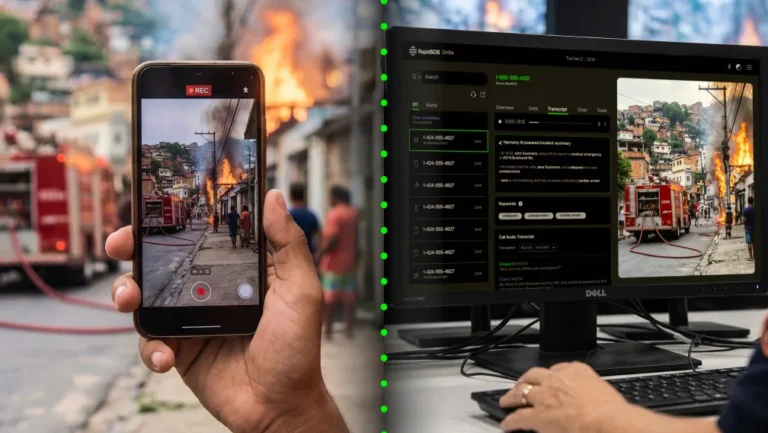
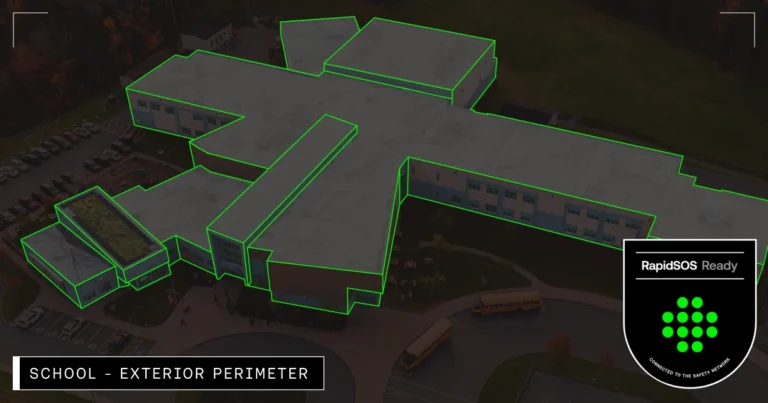
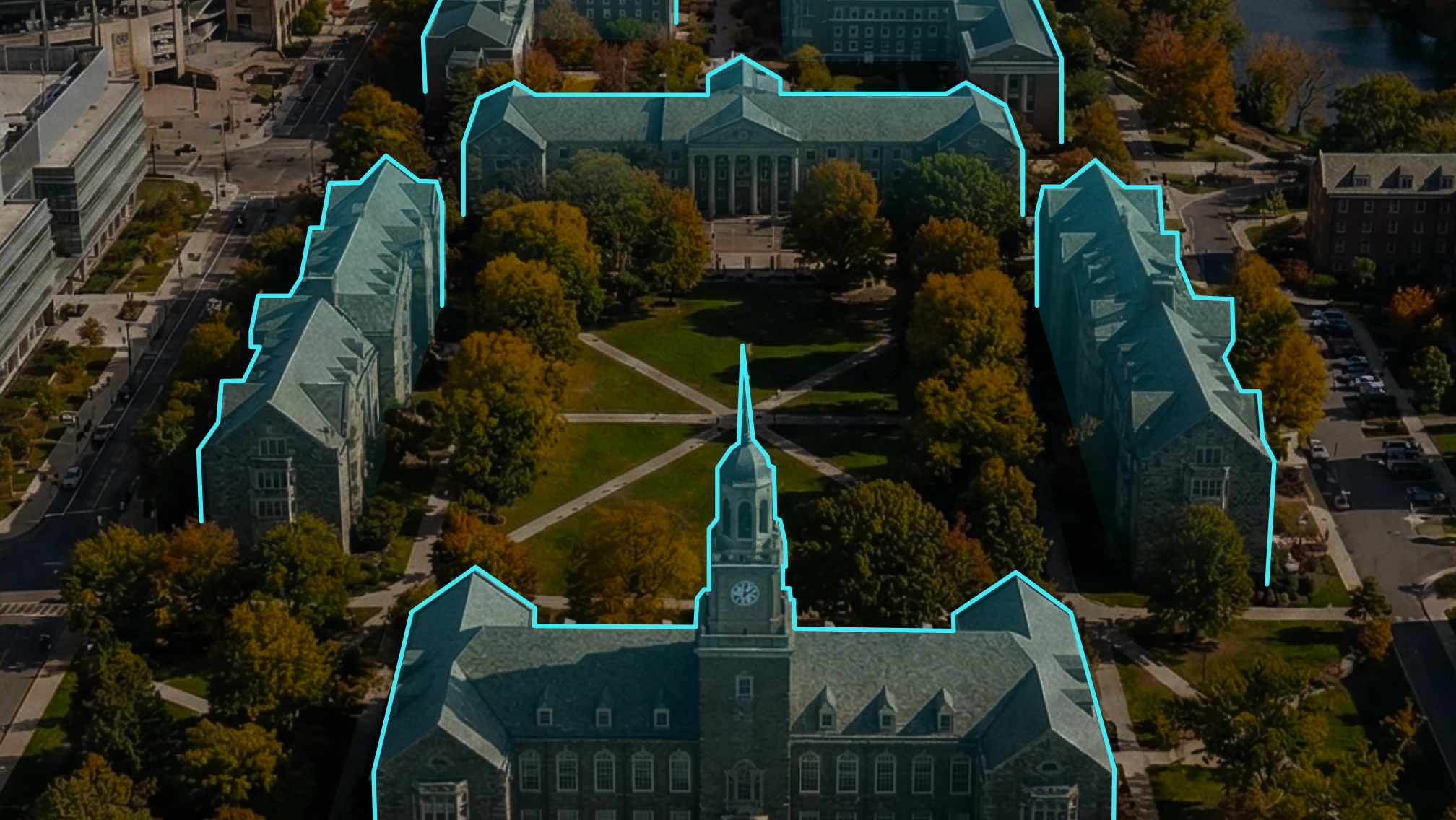
The partnership between 911 Secure and RapidSOS eliminates this delay by drawing a geofence around the campus. When a 911 call is initiated within that boundary, the solution immediately:
- Alerts On-Site Security: Security teams see a map pop-up on their screens with the caller’s location, often before the 911 operator even answers the call.
- Delivers Data to 911: The PSAP receives enhanced data, including the caller’s precise location and the contact information for the campus security team.
As Kevin stated, the technology is so fast that during a test, the on-site alert popped up “halfway through the first ring,” before the 911 operator answered. This rapid notification allows security to dispatch personnel immediately, often arriving to assist the caller and guide emergency services to the exact location.
The value of this technology extends far beyond initial response time, providing specific benefits for both educational and medical institutions.
Education Campuses (K-12 & Higher Ed)
For universities and K-12 districts, the investment is a non-negotiable step toward risk mitigation and marketing advantage.
- Replacing Outdated Systems: The technology transforms every student’s cell phone into a modern, highly accurate emergency device. It makes legacy systems like blue light phones secondary backups, rather than the primary, unreliable emergency contact method. As Kevin noted, relying on a student to remember to run to a stationary blue phone during a crisis is unrealistic.
- Actionable Post-Incident Data: Campus security can use the platform’s data to generate reports showing the number of 911 calls, acknowledgement times, and response times. This allows teams to:
- Troubleshoot hotspots: Identify areas on campus with high call volumes that might require more lighting, cameras, or patrols.
- Attract Students: As a parent, data-driven safety is a major selling point. As Kevin pointed out, showing prospective families transparent data on rapid emergency response demonstrates that safety is more than just “lip service.”
- Legal Protection: While there isn’t a specific federal law mandating cell phone alerting (like Ray Baum’s Act for landlines), organizations that fail to invest in available technology to protect their people could face culpable liability if a tragedy occurs. Investing in solutions like GeoCell demonstrates an organization is doing “everything possible to get that person help.”
Business Case: Hospital Campuses
In healthcare, fast response directly impacts patient outcomes and staff safety.
- Life-Saving Speed: For cardiac events or other critical medical emergencies, every minute counts. As Kevin shared, in one incident involving a state senator with chest pains, on-site security, alerted by the system, was able to station people at doors to guide the ambulance directly to the patient, ensuring minimal delay in treatment.
- Operational Integrity: Rapid and silent security escalation prevents unnecessary chaos. If a doctor accidentally triggers a panic device or a patient calls 911, the security operations center can immediately verify the situation and coordinate a measured response, rather than having police officers show up blindly, potentially escalating the situation.
- Streamlined Access: Security can use the precise location data to meet first responders at the most efficient gate and escort them to the exact floor or room, bypassing potential security checkpoints or confusion on a complex medical campus.
The profound impact of location data is perfectly demonstrated by the work at Give Kids the World (GKTW) Village in Kissimmee, Florida.
GKTW is an 89-acre non-profit resort that provides cost-free, week-long vacations to children and their families. Their guests often have specialized medical needs, making emergency preparedness paramount.
Ian Cole, Chief Innovation Officer at GKTW, partnered with 911 Secure to ensure his guests, who are often medically fragile, receive immediate help.
- Peace of Mind for Families: A fringe benefit of the GeoCell implementation, according to a “wish mom,” is the reduction of worry. Families often put a ‘con’ on their decision checklist: “What if we have a medical emergency and need to call 911 in an unfamiliar place?” With the GeoCell solution, that con becomes a pro. Families know that if they dial 911, help will arrive immediately, removing a source of stress and allowing them to focus on creating happy memories.
- Elevated Partnership: GKTW has fostered a deep relationship with local first responders, inviting them to campus to familiarize themselves with the windy roads and unique building layouts. This, combined with the technology, ensures that when a call is placed, GKTW staff can meet responders at the most efficient gate and escort them directly to the family, saving critical seconds.
As Ian beautifully put it, “Our tagline is where happiness inspires hope… if it ain’t safe, it ain’t fun.” By closing the 911 safety gap, 911 Secure and RapidSOS are not just protecting lives; they are allowing families to experience the pure joy and safety they need.